After years of writing these guides, I have noticed something. The questions people ask me before they arrive are almost never the ones they wish they had asked. So I went back through what visitors say once they have actually been here, the reviews and the forum threads and the honest remarks over coffee, and gathered up the things that come up again and again. This is the guide I would give a friend the week before they fly, the small practical truths that make a good week into a great one.
I am Yogochun, a local guide who grew up on this coast. My grandmother Pepitsa still lives along the shore near the Poseidon Palace hotel, and I have spent my whole life on these beaches and in these mountains, so what follows comes from the place itself. There is more about us here if you would like it. Now, the insider bits.
The beaches, the honest bit
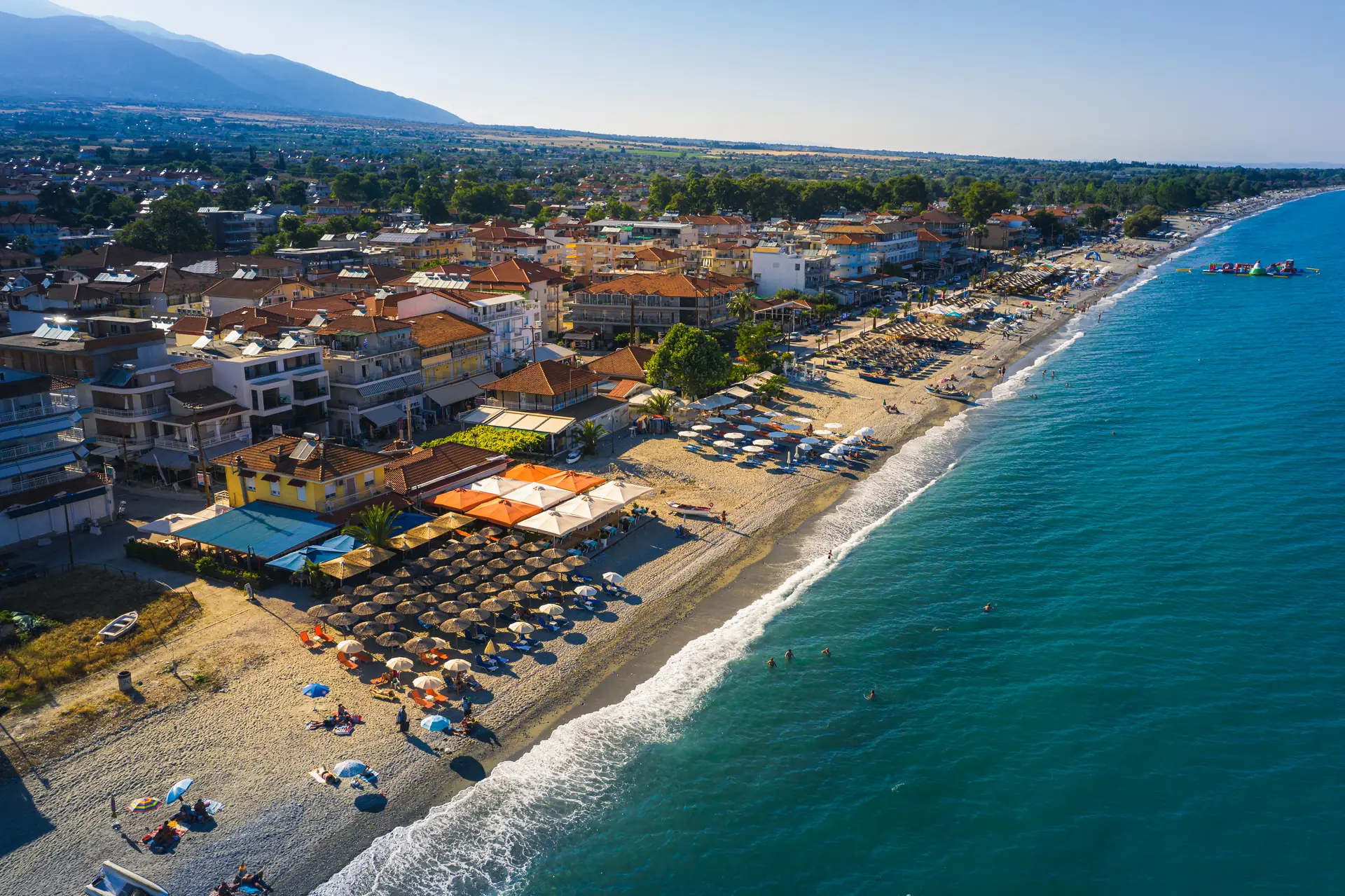
Let me be straight with you, because visitors who come expecting a postcard island cove sometimes need a moment to adjust. Our coast is one long, generous shoreline of sand mixed with fine shingle. In places it is soft sand underfoot, in others it turns pebbly, and this varies from one stretch to the next and even from one summer to the next as the sea rearranges things. This is the single most common thing new arrivals remark on, and it is also the easiest to solve. Pack a pair of water shoes for everyone in the family and the question disappears entirely. It is the cheapest happiness you can buy for a beach holiday here.
The great gift of this coast, and the thing people love most once they settle in, is how gently the sea shelves. The water stays shallow a long way out and warms beautifully, with none of the sudden drop-offs you find elsewhere. That is why families with small children come back year after year, and why nervous swimmers relax here. The sea is usually calm, the water is clean, and Mount Olympus stands behind you as you float. Visitors mention that clarity and calm far more often than anything else.
A few honest notes, because good tips are honest ones. Mornings are the calmest and clearest for swimming; an afternoon breeze can pick up and put a little chop on the water, which children love and serious swimmers sometimes do not. After a spell of wind you may find a line of seaweed washed up along the tideline, which is entirely natural and clears within a day or two, and the main beach is kept tidy. And if you settle on a sunbed and umbrella in front of a beach bar, the unwritten local rule is simple: buy a drink or a coffee and the lounger is yours for the day. Nobody will hand you a bill for the bed itself, but do order something. For the full picture of each stretch, my guide to the best time to visit Leptokarya pairs well with a wander through the things to do directory.
Getting around and parking
Leptokarya itself is small and walkable. From most rooms you can stroll to the beach, the bakery and a taverna without ever starting a car, and a great many visitors do exactly that all week and are perfectly happy. The village has a train station on the main line, which is genuinely useful: it puts Thessaloniki within easy reach for a day in the city without the stress of driving and parking there. Local buses run along the coast between the seaside villages and inland towards the mountain, and taxis are reasonable for shorter hops.
That said, the tip that comes up most from people who really explored is this: hire a car for at least part of your stay. The best of this region is spread out, up mountainsides and across archaeological parks and along the coast, and a car turns a good beach holiday into a proper adventure. If you would rather not drive every day, hire one for two or three days in the middle of the week and base the rest around the beach.
On parking, a small warning that saves a lot of afternoon frustration. Around the village and beaches you can usually find a space, but at the height of summer, and especially at weekends when day trippers arrive, the closest spots fill early. This is most noticeable at Platamonas, where the popular beach and castle draw crowds. The local trick is undramatic: arrive earlier in the morning, or simply park a little further back and walk the last few minutes. And remember that much of the parking is out in full sun, so a windscreen shade and a towel over the steering wheel are worth having.
Best time to go
The recurring wisdom here is clear and I agree with all of it. July and August are the hottest and busiest months, when the sun is fierce in the middle of the day and the beaches and tavernas are at their liveliest. That energy is part of the fun if you want it, and this coast is popular with families from across Greece and the Balkans, so high summer has a warm, sociable, holiday buzz. But if you have any choice in the matter, June and September are the sweet spot. The sea is warm, the days are long and bright, the prices are gentler and the crowds are thinner. Many visitors who have come in both seasons say the shoulder months are when they fell in love with the place.
One more scheduling tip that people wish they had known: weekends draw more day visitors from the nearby cities than midweek does. If you want the quietest beach day or the easiest parking, aim for a Tuesday or a Wednesday, and save the busier Saturday for a day trip inland. My notes on Leptokarya in summer go into the rhythm of the season in more detail.
Families with children
If you are travelling with little ones, you have chosen well, and this is the point families make most warmly in their reviews. The shallow, gentle sea is the star: children can paddle and play a long way out in water that stays warm and calm, and parents can actually relax while they do. The long seafront promenades are made for evening strolls with an ice cream, there are simple playgrounds and small amusements dotted about, and a water park inland gives you a fun change of pace on a day when everyone has had enough sand.
The practical family tips are the ordinary ones, but they matter. The midday sun is genuinely strong, so hats, high-factor cream and a proper umbrella are not optional, and the shady middle of the day is best spent at lunch rather than on the open sand. Those water shoes earn their place again here for little feet on the shingly patches. And bring more water than you think you need, particularly if you wander away from the main beach where the kiosks thin out. My fuller guide to family holidays in Leptokarya with kids covers the rest.
Eating like a local
The food here is honest taverna cooking rather than fine dining, and that is exactly the point. Visitors consistently praise the fresh fish, the generous portions and the fair prices, and a good number are pleasantly surprised at how affordable a proper meal by the sea can be compared with the famous islands. The best approach is the local one: eat where the menu is short and seasonal, order a spread of small dishes to share, and let the waiter steer you towards whatever came in fresh that morning.
Two quiet tips that save awkward moments. First, carry cash. Many of the smaller tavernas, beach bars and kiosks prefer it, and some do not take cards at all. Second, eat late the way we do. The tavernas come alive well after eight, the heat has softened, and a long dinner as the light goes down over the water is the truest taste of this coast. Quality varies a little from place to place and year to year, so it pays to choose somewhere busy with locals. For where I would send my own friends, see my guide to the best restaurants in Leptokarya and browse the restaurants and cafes directory.
Day trips worth your time
This is where visitors most often say they wish they had done more, so let me be direct about which trips earn their day. The recurring favourites are consistent, and they are consistent because they are genuinely worth it.
Mount Olympus and Litochoro
The pretty town of Litochoro is the gateway to the home of the gods, and from the trailhead above it you can walk into the wooded lower slopes and the Enipeas gorge, following the river past pools and small waterfalls. You do not need to be a serious mountaineer to enjoy this; even a short walk among that scenery, with the peaks above and the sea behind, is one of the most memorable half-days you can have here. Take proper shoes, take water, and start earlier in the day.
The archaeological park at Dion
Dion is a quiet favourite that people are always glad they made time for. It is a green, watery site at the foot of Olympus, with ancient temples and a theatre threaded through ponds full of terrapins and birdsong, and the museum in the village nearby ties it all together. It is shady, gentle and a lovely contrast to the beach, and it suits families surprisingly well.
Platamonas Castle
The medieval castle standing over the coast is an easy and rewarding trip, and the views from the walls over the Aegean and up to Olympus are the reason everyone remembers it. There is a small entrance fee, and the opening hours tend to favour the morning, so it is wise to go earlier and to check locally before you set off. Bring water and a hat, as there is little shade at the top, and wear decent shoes for the climb.
Old Panteleimonas
If you do one thing on my personal recommendation, make it this. Old Panteleimonas is a restored stone village high on the mountainside, with cobbled lanes, a shady square under old plane trees and tavernas looking out over the castle and the sea far below. It is cooler up here than on the coast, the setting is beautiful, and a long lunch in that square is the kind of afternoon people describe for years afterwards. It pairs naturally with the castle below.
Further afield, the royal tombs at Vergina are within reach for anyone who loves history, and Thessaloniki makes a fine city day, easiest of all by train. My full day trips from Leptokarya guide and the things to do in Leptokarya pillar lay out how to string these together.
Little things that make a difference
These are the small, recurring nuggets that do not fit anywhere else but that seasoned visitors always mention. None is dramatic on its own; together they smooth the whole week.
- Water shoes for everyone. The single most repeated tip. The shingly patches become a non-issue and nobody hobbles to the sea.
- Carry cash. Smaller tavernas, beach bars and kiosks often prefer it, and a few do not take cards at all.
- Swim in the morning. The sea is calmest and clearest early, before the afternoon breeze arrives.
- Respect the midday sun. It is stronger than many first-time visitors expect. Shade, cream and a long lunch beat the middle of the day.
- Buy a drink for your sunbed. Order a coffee at the beach bar and the lounger and umbrella are yours for the day.
- Choose a base a street or two back. You get the beach and the tavernas without the late-night sound of the busiest bars.
- Learn three Greek words. A kalimera, an efcharisto and a smile open doors here that no guidebook can.
On that last point about where to sleep, the recurring advice is to weigh the lively heart of the village against the calmer edges, depending on what you want from your evenings. My guide on where to stay in Leptokarya explains the areas, and you can see the hosts we rate in our accommodations directory. If you are still working out how to reach us in the first place, the how to get to Leptokarya guide covers every route in.
A final word from Yogochun
The thing that comes through most strongly when I read what visitors say is not a complaint or a warning at all. It is affection. People arrive expecting an ordinary beach week and leave having found somewhere real, unhurried and kind, a working Greek town at the foot of the greatest mountain in Greece, where the sea is warm and the welcome is warmer. Bring your water shoes and a little cash, swim in the mornings, drive up the mountain at least once, and eat late by the water. Do those few small things and you will have the week the happiest visitors describe, the one they come back for.
Written by Yogochun, your local guide to Leptokarya, Platamonas and the Pieria coast. My family, including my dear Pepitsa near the Poseidon Palace, has deep roots on this shoreline, and I write these guides so you can experience it the way we do.
Enjoying the guide? Get a short monthly note with new guides and local tips. Subscribe here.